
 Subscribe Now
Omega 3 and Prehistoric Diets
The diets of long ago were actually very simple. Prehistoric people lived near water for many reasons, but the one healthy bonus was the abundance of fresh caught fish. They also ate very little grains and more seeds and nuts. The diet of our ancestors and Omega 3 went hand in hand, unlike our high Omega 6 diets today.
 Prehistoric man survived on fruits, vegetables, nuts seeds, fish, and no grains. They ate more Omega 3 type foods and little or no Omega 6 foods. From archaeology studies, it is believed they did not have the high occurrence of diseases we suffer from. Scientists also found they had an increase in brain cells and development after they migrated to water and began to eat fish. If you need a clue to improving your health today, migrate to foods and sources of Omega 3 for the answer.
Some contemporary diets mimic the prehistoric diet in order to improve health. Research shows that increasing Omega 3 fatty acids reduces the incidence of heart disease, memory disorders, emotional disorders, and high blood pressure. Finding good sources of Omega 3 can help you supplement this vital nutrient and start improving your health right away.
Getting Omega 3 Back
Getting Omega 3 back into our diet in adequate amounts means changing our diets to include Omega 3 foods. You can also add supplements to increase the amount to a healthy level in your body. It is recommended to eat two servings of low-mercury fish each week. Omega 3 is also high in cod liver oil and foods fortified with Omega 3.
 Life today has caused us to eat too many Omega 6 foods and not enough Omega 3. If we don’t get enough Omega 3 and too much Omega 6, the good health effects of Omega 3 are diminished. Supplementation can help increase the levels of Omega 3 if you are unable to eat enough through diet. The recommended daily amount is 600mg a day and up to 3,000mg a day. Never take more than 3,000mg daily without your doctor’s recommendation because of possible side-effects.
Studies show that our genes are not much different than our prehistoric ancestors, and our bodies crave this forgotten nutrient. The heavy grain based and processed diet we eat today has little Omega 3. We need to “migrate to the water” like our ancestors and eat the foods they ate to be healthy again.
Omega 3 Foods
Prehistoric people survived on mostly;fish, seeds, berries, nuts, vegetables, and fruits. If they ate red meat, the animals were not fed grain based diets because farmed grains didn’t exist yet. Animals ate grass and whatever was available in nature. Animal products that feed on grass are higher in Omega 3 fatty acids.
 Omega 3 levels are highest in flax seeds and wild-caught salmon. For vegetarians, flax seeds are a good healthy food choice for Omega 3. It can be put into foods, smoothies and baked into muffins. If you choose to eat more salmon, make sure that it lives in cold water, is wild-caught, and not fed grain pellets on a farm. Grain fed salmon is lower in Omega 3.
If you eat beef, buy grass fed beef and not grain fed. Grain fed animals have more Omega 6 fatty acids and not enough Omega 3. Getting back to the diet of our ancestors, walnuts are a good source of Omega 3 if you are not allergic to tree nuts. Lastly, some more vegetarian sources are; soy, winter squash and kidney beans.
Try not to overcook your foods as it destroys the Omega 3. Fish should be well cooked, but any other vegetarian sources are better eaten uncooked.
Conclusion
Learning about the diet of our ancestors and Omega 3 can help us improve our diet and our health. The diet of prehistoric man was mostly; fish, nuts, berries, seeds and oils high in Omega 3. Our ancestors had less evidence of the diseases we see today. If we get back to the best way of eating for our genetics, we can alleviate many health issues and restore good health!

 It is a good idea to start taking Omega 3 prior to starting an exercise routine. When you start Omega 3 supplementation before exercise, it will help rev up your metabolism and prepare your body for an exercise routine. Omega 3 also helps to
  You can get most of the necessary vitamins from a good multi-vitamin supplement containing vitamin A, D, E, K and B, plus minerals. You will want to take a separate supplement of Omega 3. The proper dosage for Omega 3 depends on whether or not you have any underlying health conditions. If you are healthy, the recommended dosage of Omega 3 is 1,000mg to 3,000mg daily.
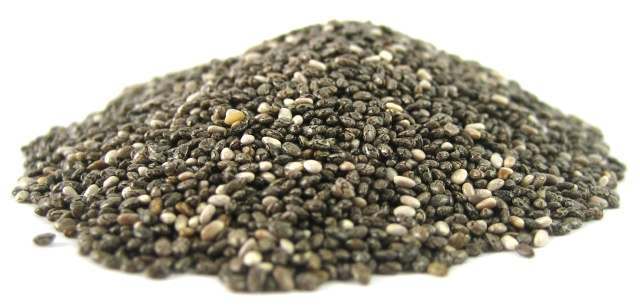 ALA (alpha-linolenic acid) – The highest amounts of this fatty acid come from plants. Flax, chia seeds, kiwi,
  Auto-immune disorders – Chemicals known as “resolvins” reduce the inflammation of auto-immune disorders. Omega 3 fatty acids help the body increase production of resolvins and lower the inflammation present in these disorders.
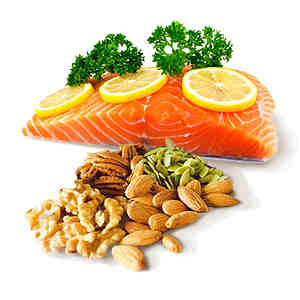
 You can find the highest amounts of Omega 3 in seafood like, cold water wild salmon and shellfish. Non-meat sources include: flax and flax oil, walnuts, canola oil and soy products. We often do not get enough Omega 3 because our diet in the United States contains very little seafood.

 Cardiac Disease

 This little talked about nutrient is suddenly becoming very well-known and for good reason. Researchers are finding that Omega 3 fatty acids are very essential to healthy body function, and our society is seriously deficient. Studies show that many health problems are directly attributed to the lack of Omega 3.
 Brain and Memory – Recent research shows that Omega 3 fatty acids have a direct

 Krill Oil –
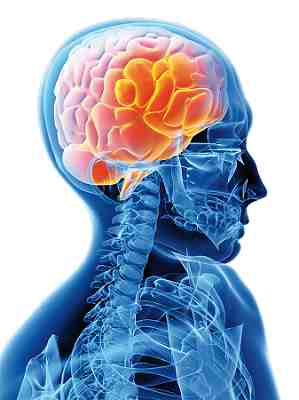 The brain cells are made up of nearly 15 to 20 percent Omega 3/DHA. This important nutrient soaks into the very nerve fibers in every brain cell. It feeds the tiny neurons that actually cause the brain cells to fire and communicate with the rest of the body. First and foremost, this action regulates things like; moods, memory, cognition, and learning. This is why Omega 3 is so important from infancy through adulthood and beyond.
 According to World Life Expectancy.com, Monaco in the Mediterranean has an Alzheimer’s and
  Omega 3 and Infants
 Diets have largely turned to mostly processed foods and carbohydrates. This in turn robs the nervous system and brain of needed nutrients to function properly. In addition, too many
  Inflammation
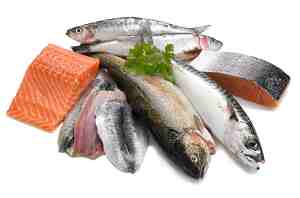
 It is recommended to eat at least 2 servings of wild caught cold water fish every week. Fish should be wild caught with the lowest mercury levels possible. Mercury prevents our body from absorbing Omega 3 properly. Eating too much Omega 6 also reduces the proper absorption of Omega 3. If your diet isn’t quite balanced enough, supplements are a good way to get enough Omega 3. If you choose to use an Omega 3 supplement, The American Heart Association recommends taking 1,000mg to 3,000 mg a day. There are some people that must take more than 3,000 mg of Omega 3 daily. Take such an amount only under the advice of a physician.

 Men who eat a diet rich in Omega 3 have a lower incidence of; dementia, heart disease, cancer, high blood pressure, and even depression. Omega 3 can even help increase the metabolism and boost weight loss efforts. Memory is better and chances of getting

 The symptoms of ADHD can actually overlap with a number of other conditions. These may not even be noticeable, and needs must be evaluated on behavior scales by a few different observers. Usually teachers, parents, and other caregivers fill out the scale forms and turn them into a Licensed Physician. The symptoms of ADHD can include:
 Treatment, whatever type used, is important to reduce the discomfort of sufferers and those around them. It needs to focus on helping them learn to control increased energy levels, reduce movement, and hold conversations with others.
 Omega 3 – Research has shown that almost half of kids in studies given Omega 3 fatty acid supplementation show reduced symptoms. It is thought that some cases of ADHD are due to a lack of EPA and